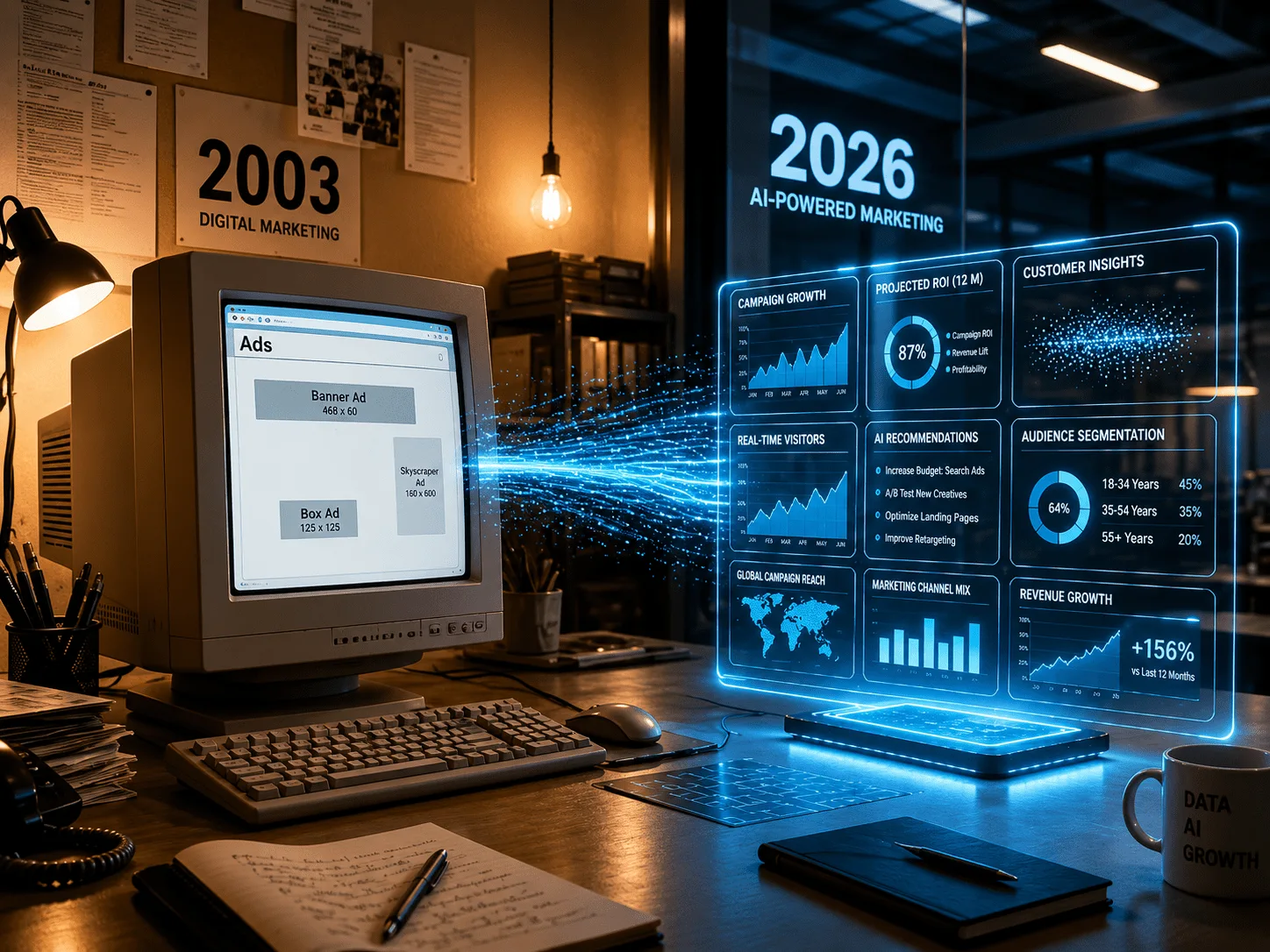
The digital market has always moved quickly, but the pace of change is now much faster than many businesses expected. New tools, platforms, systems and customer behaviours are changing how companies promote themselves, sell products, manage data and deliver services.
For agencies, developers, marketers and business owners, this creates both opportunity and pressure. The companies that adapt well can become more efficient, more visible and more competitive. The companies that stand still may find their websites, systems, marketing and customer experience becoming outdated much faster than before.
Technology is no longer something that sits in the background of a business. It is now part of how a business operates, communicates, measures performance and grows.
The Digital Market Is Becoming More Demanding
In the past, many businesses saw digital marketing as a combination of a website, search engine optimisation, social media and paid advertising. Those areas still matter, but the digital market has become much broader.
Clients and customers now expect faster websites, smoother online journeys, better content, easier payment options, personalised communication and accurate reporting. They also expect businesses to be present across multiple channels simultaneously, including Google, social media, email, apps, online directories, and automated messaging platforms.
This means digital success is no longer just about having an attractive website or running a few adverts. Businesses need joined-up systems that work together.
A website may need to connect to a CRM. A landing page may need to track calls, forms and sales. An e-commerce store may need to integrate with stock systems, payment gateways and advertising platforms. A marketing campaign may need real-time performance data to make decisions quickly.
As technology develops, the digital market becomes more connected — and more complex.
Artificial Intelligence Will Change How Digital Work Is Produced
Artificial intelligence is already changing the way digital work is planned, produced and measured.
AI tools can now help with copywriting, image creation, customer support, data analysis, search behaviour, website personalisation and campaign optimisation. This does not remove the need for human expertise, but it does change how work is done.
For marketers, AI can speed up research, content planning and reporting. For designers, it can help generate concepts and visual ideas. For developers, it can assist with code, testing and problem-solving. For business owners, it can make data easier to understand and act upon.
However, AI also increases expectations. If competitors are using technology to produce better content, respond faster to enquiries and analyse performance more accurately, other businesses will need to keep up.
The key point is that AI should not be viewed simply as a shortcut. Used properly, it becomes a support tool that improves productivity and decision-making. Used poorly, it can create generic content, weak branding and inaccurate information.
The businesses that benefit most will be those that combine AI efficiency with human judgement, creativity and commercial understanding.
Search Marketing Will Continue to Change
Search engines are also changing.
For many years, businesses focused on ranking in Google by improving website content, technical SEO and backlinks. These areas are still important, but search is increasingly influenced by AI, user intent, local relevance, structured data, and overall website quality.
People no longer search in one simple way. They use voice search, map results, social platforms, AI assistants and review sites. They ask longer questions and expect clearer answers. They may find a business through Google, but they may also compare it on Facebook, Instagram, YouTube, TikTok or a marketplace before making contact.
This means businesses need to think beyond traditional SEO.
Content must be useful, well-structured and genuinely helpful. Websites need to load quickly, work properly on mobile devices and provide clear information. Local businesses need accurate map listings, reviews and service-area content. E-commerce businesses need product data that search engines, shopping platforms, and advertising tools can understand.
As search becomes more intelligent, weak or thin content will become less effective. Businesses will need stronger digital foundations and a clearer content strategy.
Data and Tracking Will Become More Important
As digital marketing becomes more competitive, businesses will need better data.
It is no longer enough to know how many people visited a website. Businesses want to know where enquiries came from, which campaigns generated real leads, which keywords produced sales, which pages converted visitors, and which channels are wasting money.
This is where tracking, analytics, and attribution become essential.
Modern digital marketing often involves several touchpoints. A customer may see a Facebook advert, search the business on Google, visit the website, leave, return later through a remarketing advert, then call or submit a form. Without proper tracking, it is difficult to understand which parts of the journey created value.
As technology improves, businesses will have access to better reporting. But this also means they need to understand what the data means. Good reporting is not just about collecting numbers. It is about turning those numbers into better decisions.
Companies that understand their data will be able to spend more wisely, improve their campaigns and respond faster to market changes.
Websites Will Need to Work Harder
A website was once seen mainly as an online brochure. That is no longer enough.
Modern websites need to perform multiple roles. They must present the brand, explain services, build trust, capture enquiries, support advertising campaigns, provide information, integrate with other systems and help convert visitors into customers.
As technology changes, websites will need to become more functional and more measurable.
For example, a service business may need booking forms, quote systems, live chat, call tracking and CRM integration. A property company may need searchable listings, maps, lead capture and automated alerts. An e-commerce business may need product feeds, payment options, customer accounts and stock updates.
The website becomes part of the business operation, not just part of the marketing.
This means businesses will need to invest in websites that are well-planned, well-built, and easy to improve over time. Cheap, static websites may become less effective if they cannot adapt to changing customer expectations or marketing requirements.
Automation Will Reshape Customer Communication
Automation is another area that will affect the digital market.
Customers expect fast responses. They do not always want to wait for an email reply or a phone call. Automated systems can help businesses respond more quickly, qualify enquiries, send reminders, follow up leads and manage customer journeys.
This can include automated emails, chatbots, CRM workflows, appointment reminders, abandoned cart messages, lead nurturing sequences and customer support systems.
Used well, automation improves service. It helps businesses stay organised and prevents enquiries from being missed. Used badly, it can feel cold, repetitive or frustrating.
The best approach is usually a balance between automation and human contact.
Automation should handle repetitive tasks and basic communication, while people remain involved in important conversations, complex decisions and relationship-building.
Social Media Will Become More Commercial
Social media has already moved far beyond simple posting.
Platforms are becoming more commercial, more data-driven and more integrated with advertising, shopping, customer service and brand-building. Businesses can now use social media for awareness, lead generation, direct sales, customer support, recruitment and community building.
However, organic reach is harder than it used to be. Many businesses now need a mixture of strong content, paid promotion and consistent engagement to get results.
Technology will continue to shape this area. AI-generated content, short-form video, influencer tools, social shopping, automated replies and advanced targeting will all play a role.
The challenge for businesses will be staying visible without losing authenticity. Audiences are quick to recognise content that feels generic or purely automated. Strong brands will still need a clear voice, real value and human connection.
E-Commerce Will Become More Integrated
E-commerce is also changing quickly.
Customers expect simple browsing, fast checkout, multiple payment options, clear delivery information and strong after-sales communication. They also expect products to appear across different channels, including Google Shopping, social media, marketplaces and email campaigns.
This means e-commerce businesses need better integration between their website, stock management, payment systems, advertising platforms and customer data.
Technology will make online selling more efficient, but it will also raise the standard. Poor product pages, slow websites, limited payment options and weak customer communication will make it harder to compete.
The future of e-commerce will be less about simply having an online store and more about having a connected sales system.
Skills Will Need to Keep Evolving
One of the biggest effects of rapidly changing technology will be pressure on skills.
Digital teams will need to keep learning. Marketers will need to understand data, automation and AI. Designers will need to think about user experience and conversion. Developers will need to work with more integrations, APIs and security requirements. Business owners will need to understand enough about technology to make informed decisions.
This does not mean everyone needs to become a technical expert. But it does mean businesses need access to people who understand how different parts of the digital market connect.
The strongest digital teams will be those that combine creative thinking, technical knowledge, commercial awareness and adaptability.
The Risk of Falling Behind
The danger for many businesses is not that technology changes overnight. It is those small gaps that grow over time.
A slow website becomes less competitive. Poor tracking leads to wasted advertising spend. Weak content loses visibility. Manual processes become inefficient. Outdated systems make growth harder. Competitors begin using better tools, better data and faster workflows.
By the time the gap becomes obvious, catching up can be expensive.
This is why businesses need to regularly review their digital systems. Technology does not have to be changed for the sake of it, but it should be assessed against real business needs. If a system is slowing down the business, limiting marketing performance, or creating a poor customer experience, it may need improvement.
Final Thoughts
Fast-changing technology will continue to reshape the digital market. It will affect how businesses attract customers, manage enquiries, measure performance, sell products and deliver services.
The companies that succeed will not necessarily be the ones that chase every new trend. They will be the ones who understand which technologies genuinely support their business goals.
AI, automation, analytics, search, e-commerce and connected systems all create opportunities. But they need to be used with clear planning and a commercial purpose.
The digital market will keep moving. Businesses that remain flexible, informed and willing to improve will be better placed to compete. Those that ignore change may find that their marketing, systems and customer experience fall behind.
In the future, digital success will not be defined by a single platform or piece of software. It will come from building a connected, adaptable and well-managed digital presence that can evolve as technology changes.